Spirits_in_the_Wilderness
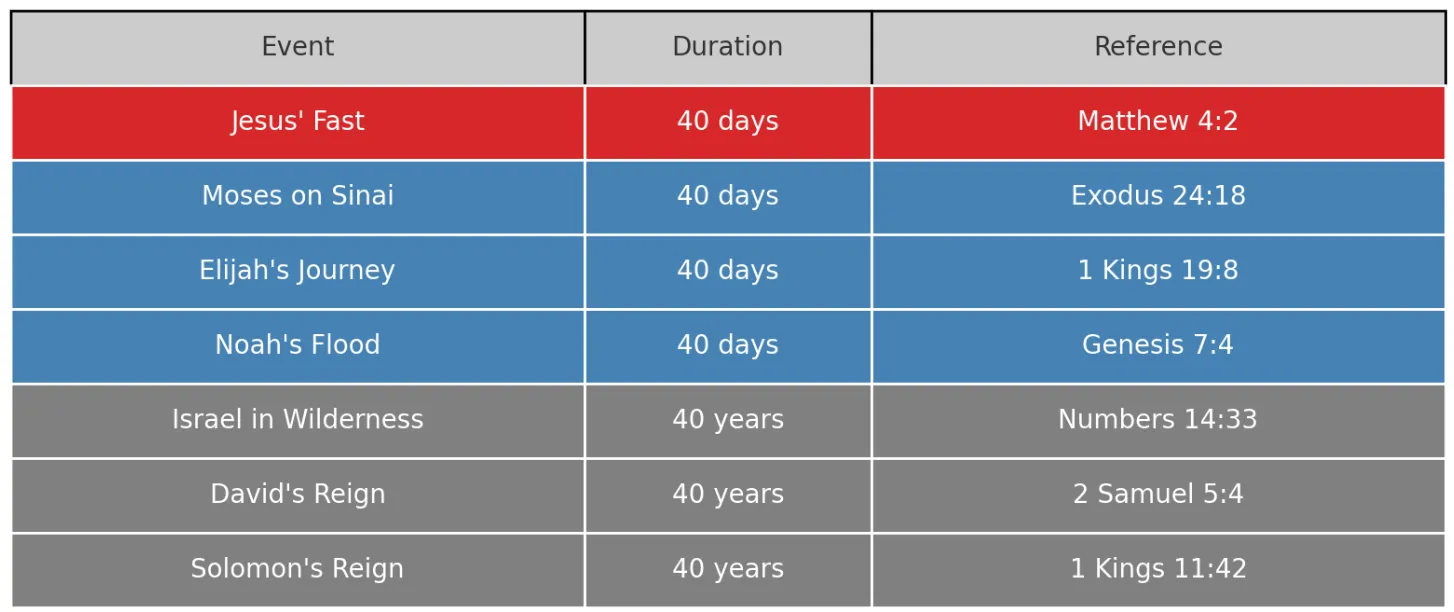
The Temptation of Jesus begins (verses 1-11) after Jesus' baptism, the Spirit leads him into the wilderness where he fasts for 40 days and nights. The Bible is well known for numerology and the significance of numbers to tie back to previous stories to elude a moral echo or provide deeper meaning to modern dilemma. The number 40 appears 146 times in Scripture, but the main ones are:
The wilderness of Judea is 1300 feet below sea level to 900 feet above with nights getting to freezing temperatures. Just to drive home the state of Jesus in the wilderness, consider the human body enters ketosis after approximately 3-4 days of fasting. After 40 days, approximately 25% of his body mass would be lost with severe risk of renal failure and cardiac complications. In this state, Satan then tests Jesus with three specific temptations:
Physical needs (turning stones to bread)
Testing God's protection (jumping from the temple)
Worldly power and glory (offering all kingdoms)
What's notable is how Jesus responds to each temptation by quoting Deuteronomy, demonstrating the use of God's word as his first line of defense. Each temptation follows the pattern of first a conditional proposition ("If you are..."), an imperative command, an implied outcome and finally a scriptural rebuttal from Christ. The ramifications of his decision to trust God lead to:
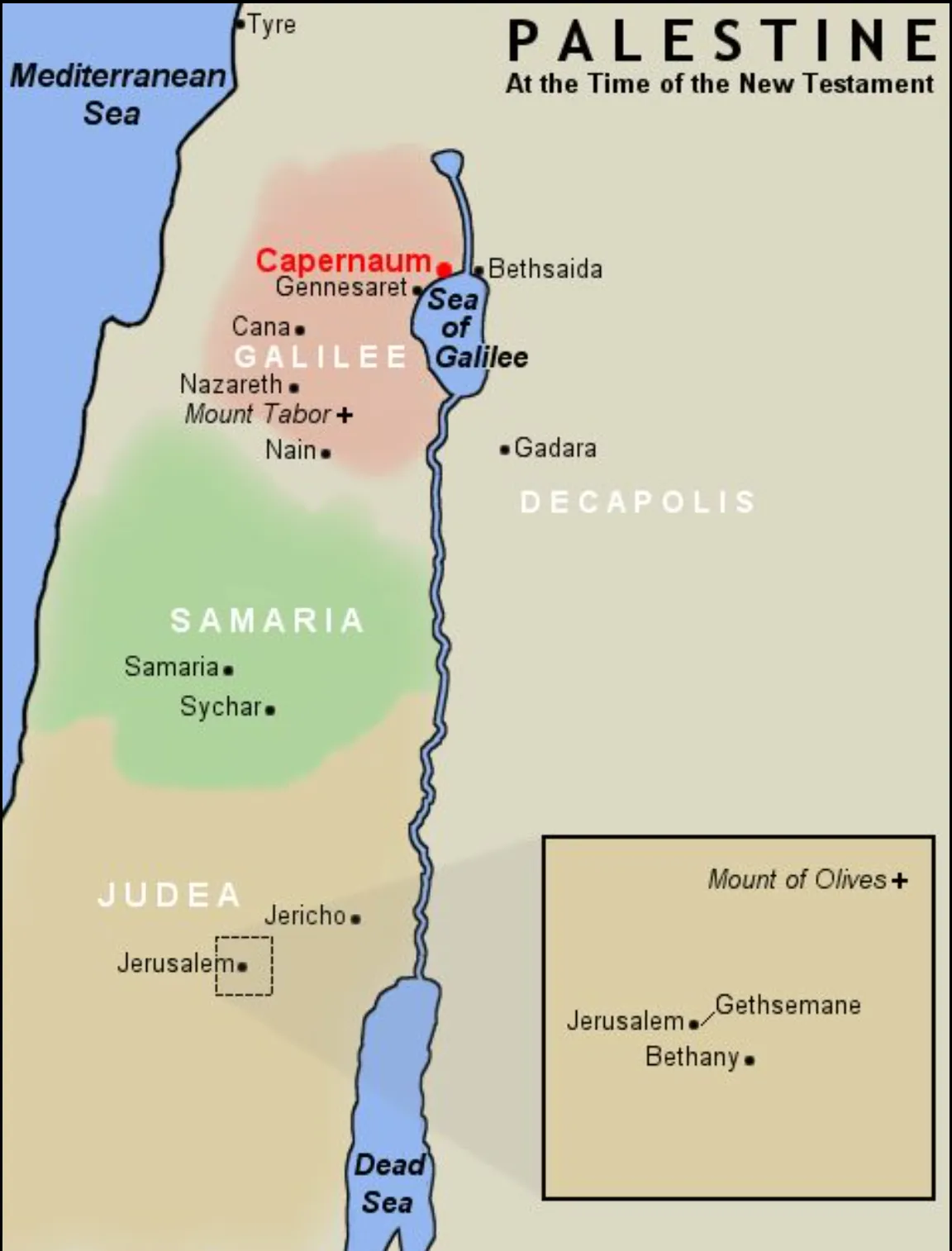
The beginning of his Ministry (verses 12-17) - After John the Baptist is arrested, Jesus begins his public ministry in Galilee, specifically in Capernaum. This lends credence to Isaiah's prophecy about light coming to "Galilee of the Gentiles." His core message echoes John's: "Repent, for the kingdom of heaven is near."
Calling the First Disciples (verses 18-22) - Following his victory over the devil, Jesus then calls his first 4 disciples - Peter, Andrew, James, and John - from their fishing boats. By the end of Matthew, this network expanded to 120+ followers (Acts 1:15). The immediacy of their response is striking to say the least - they "immediately" leave their nets and follow him. The estimated average income of a fisherman during this time would have been around 30-50 denarii/month, a decent mid-tier artisan class salary. Leaving their profession was a high risk economic decision and Mark 15:40-41 references the women who "provided for them out of their resources" to support Christ’s ministry.
To better understand this, consider that Capernaum is roughly 120 miles from Jerusalem. An average day's journey in the ancient world would have been about 15-20 miles, so it would've been about a week's journey to the temple. This could mean Jesus’ ministry easily reached a 50 mile radius within a few days based on Matthew 4:23-25. Capernaum at the time had a population of about 1500, while Jerusalem had 80,000 and Decapolis was the nearest major city boasting about half a million inhabitants. This means the cultural diffusion necessary to spread his message along pathways and trade routes would have seen an exponential growth pattern before reaching institutional opposition in Jerusalem.
The chapter concludes with a summary of Jesus' ministry activities (verses 23-25):
Teaching in synagogues
Preaching the gospel of the kingdom
Healing all kinds of sickness
Drawing large crowds from surrounding regions
This story would have resonated powerfully with a first-century Jewish audience who understood messianic expectations. Matthew carefully presents Jesus as fulfilling prophetic assumptions while redefining what messianic leadership meant - not political revolution but spiritual transformation, demonstrated by his call to "Repent, for the kingdom of heaven has come near" (Matt 4:17).
Modern_Applications
Today we live in a digital wilderness of temptation, isolated to websites in obscure corners of the internet. Just as Satan tempted Jesus with instant gratification ("command these stones to become bread," Matt 4:3), material success, and fame ("all the kingdoms of the world," Matt 4:8), we face the constant temptation of instant validation through social media, hustle culture, and influencers to measure our worth. People quite literally sacrifice their dignity for the sake of attention and followers.
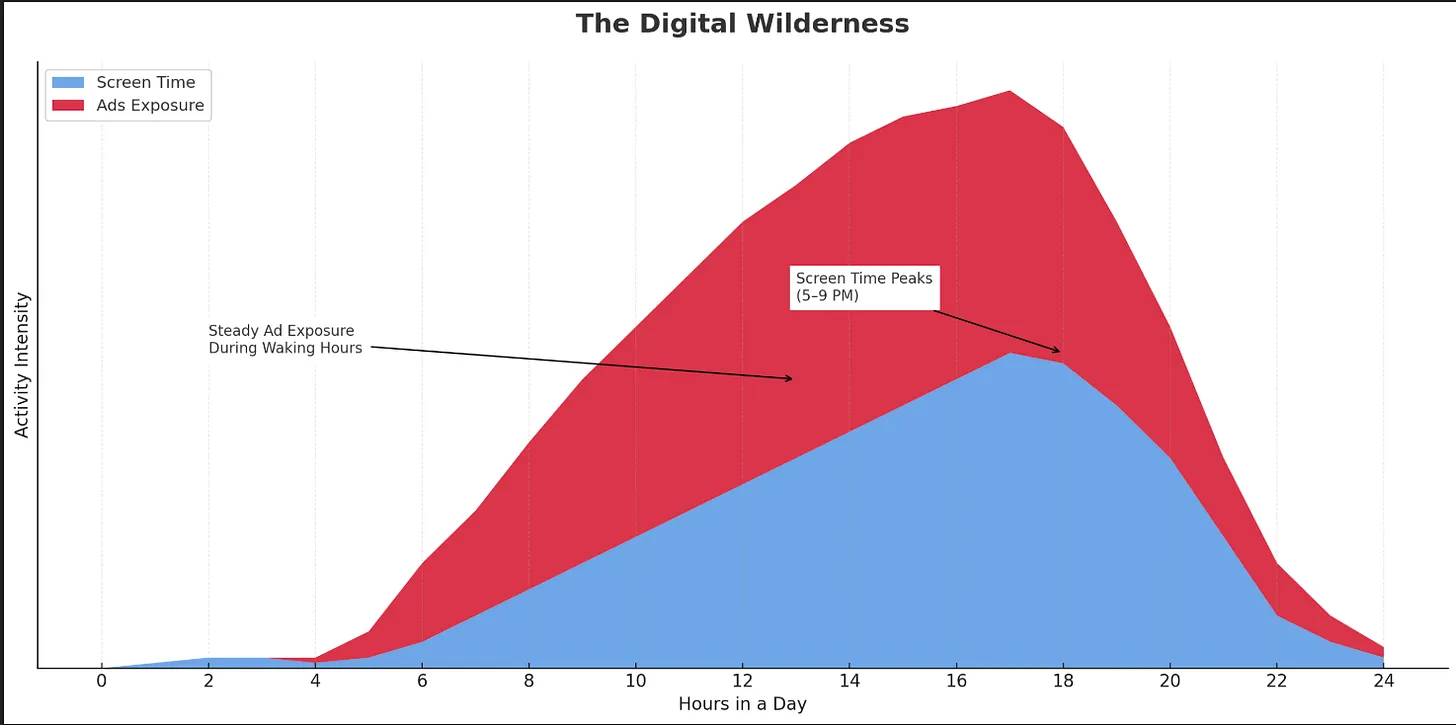
The average person utilizes about 5+ hours of screen time per day and they see around 4,000-10,000 advertisements. Social media platforms have designed their apps for dopamine-triggered engagement leading to diminished discipline similar to gambling addiction. The attention economy creates continuous decision points and statistical correlation between decision fatigue and ethical compromise. The research at this point has proved beyond a reasonable doubt that we are slowly chipping away at not only our attention span, but our will power.
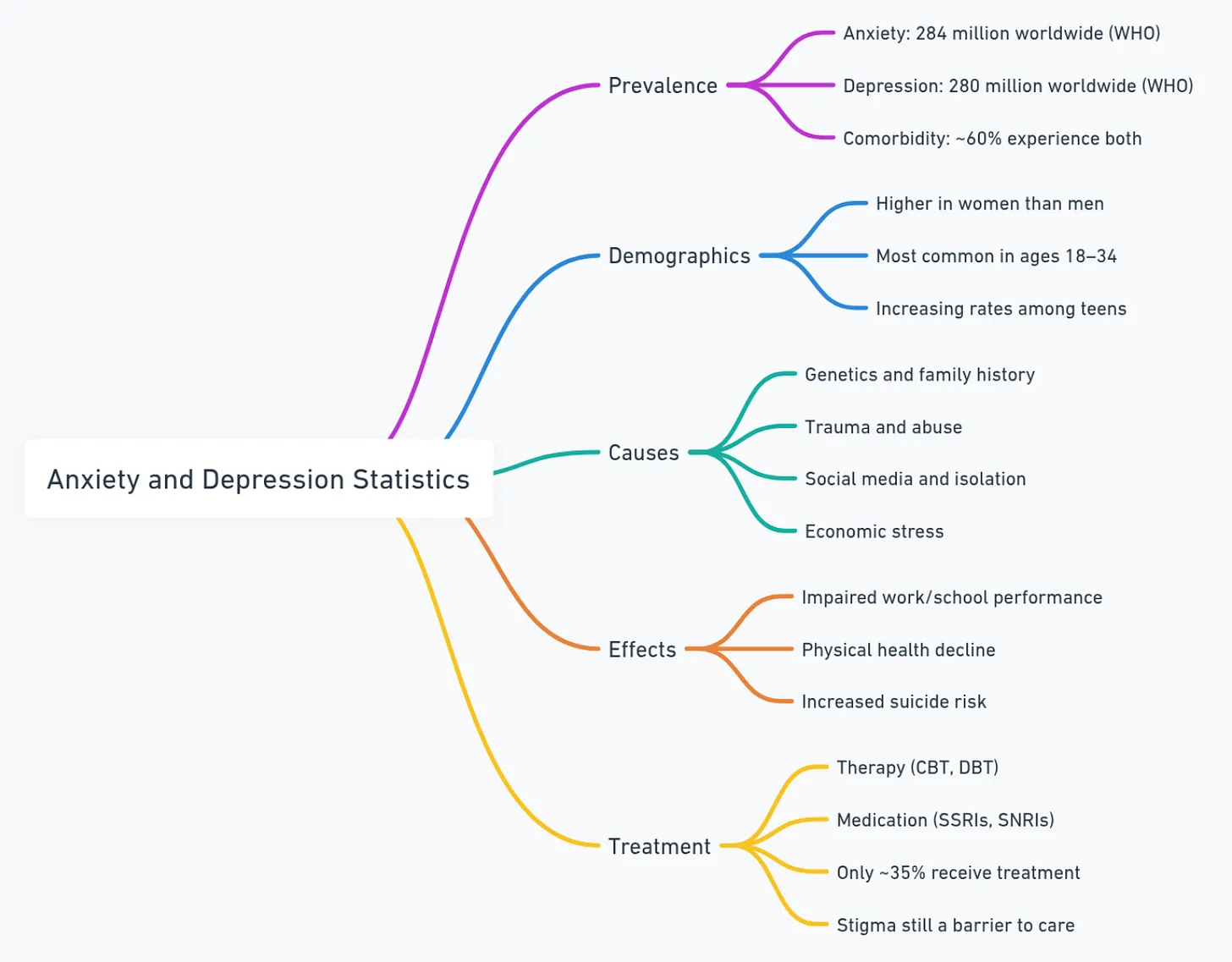
Mental health challenges parallel the "shadow of death" mentioned in Matthew 4:16. Many people experience anxiety, depression, and identity crises as they navigate complex social landscapes online. Jesus' response to temptation offers a model for resistance: grounding identity in something deeper than external validation, as he responded to each temptation with "it is written" (Matt 4:4, 7, 10), rooting his identity in God's word rather than others' approval.
The call to discipleship in Matthew 4:19-20 ("Come, follow me...) speaks directly to the economic uncertainty and purpose-seeking trends of our generation. Many of us are dissatisfied with traditional career paths and seek meaningful work that contributes to something larger. Even if that is just having the money to raise a family, arguably the largest contribution most people make. The temptation narrative demonstrates the importance of discernment - recognizing that not every opportunity, even those appearing beneficial, aligns with our deeper purpose. This resonates in an age of endless options and fear of missing out.
The chapter also addresses power dynamics. Jesus begins his ministry in a marginalized community rather than the centers of religious or political power. This challenges contemporary systems that concentrate influence among the privileged and suggests that authentic transformation often begins at the margins. I think the chapter's enduring message is that genuine truth emerges not through shortcuts or spectacle, but through consistent integrity and compassionate action. Integrity in being who you are at all times, in all situations. Even while wandering in the digital wilderness and navigating the temptation to bend for approval.